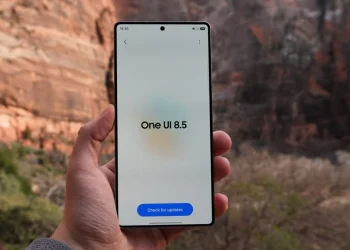
Samsung’s popular desktop feature, DeX, has undergone a major transformation in its latest software update, One UI 8. The company has officially retired its custom “classic” DeX mode in favor of a new experience built directly on Android 16’s native Desktop Mode. While this change might feel like a step backward at first glance, it’s part of a much bigger shift in how Android devices will work as desktop replacements in the future.
What Is DeX?
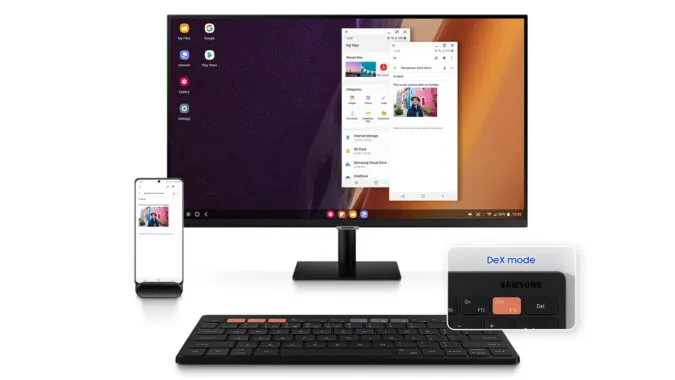
Samsung DeX (Desktop eXperience) allows users to turn their Galaxy smartphones or tablets into a pseudo-PC by connecting them to an external display, keyboard, and mouse. Once connected, the phone launches a Windows-like interface with resizable app windows, multitasking capabilities, and productivity tools.
DeX has been a flagship feature since the Galaxy S8 series in 2017, giving Samsung a strong head start over competitors when it comes to mobile-desktop convergence.
Why Samsung Is Killing Classic DeX
Samsung’s original DeX experience relied heavily on custom modifications to Android because the OS lacked the core functionality needed to power a true desktop environment. Samsung built its own window management system, desktop launcher, and multitasking logic. But this came with a cost.
Every year, as Android evolved, Samsung had to rework these custom implementations to ensure compatibility. This effort was resource-intensive and often came with limitations in performance and third-party app support.
Now that Google is building these features natively into Android 16, Samsung sees little reason to maintain its own forked system. By aligning with Google’s Desktop Mode, Samsung avoids duplicating effort and can leverage future improvements directly from Android itself.
The Future: Android 16’s Native Desktop Mode
Android 16 marks a major leap forward with native desktop features, such as:
- Freeform app window support
- A persistent taskbar
- Improved multi-display support
- Enhanced keyboard and mouse input
- Better app scaling and compatibility
This new Desktop Mode is the result of close collaboration between Samsung and Google. In fact, much of the foundational work in Android’s desktop windowing system was inspired by DeX itself.
Now that Android supports these features natively, Samsung is investing in enhancing them rather than reinventing the wheel.
What It Means for Users
At present, the new Desktop Mode in One UI 8 might feel like a downgrade to some users. The interface is less polished than classic DeX, and some features are still catching up. However, the shift opens up many opportunities:
- Faster updates and bug fixes as Google improves Desktop Mode across Android
- Broader app compatibility without relying on Samsung-specific optimizations
- Improved developer support since Google’s platform has a wider reach
- Long-term sustainability as the entire Android ecosystem adopts Desktop Mode
Samsung Started the Transition Early
The shift didn’t happen overnight. Samsung began rolling out a more Android-compliant desktop experience with One UI 6.0, particularly on tablets. With One UI 8, that transformation is now complete—classic DeX is gone, and Samsung is all-in on Google’s native tools.
Final Thoughts
While the removal of classic DeX might disappoint some loyal users, this change sets the stage for a more powerful and standardized mobile desktop future. Samsung and Google are finally on the same page, and that could be a game-changer for productivity-focused Android users.
If Android continues to improve its Desktop Mode, we may soon see smartphones and tablets replace laptops for an even wider audience — and Samsung will be leading the charge, just not alone this time.