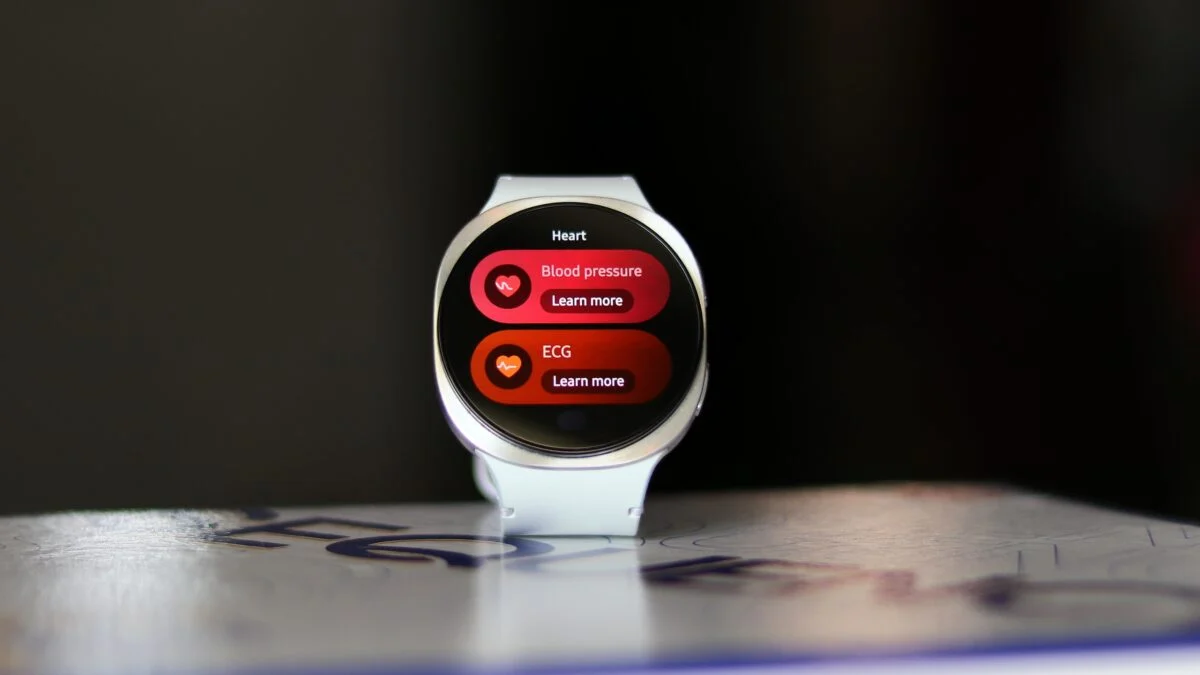
Galaxy Watch blood pressure monitoring is now rolling out in the United States, marking a major step forward for Samsung’s health-focused wearable features. After years of anticipation, the feature is becoming available starting March 31 through a phased release.
The Galaxy Watch blood pressure update will not reach all users at once. Instead, Samsung is gradually enabling access across compatible devices. As a result, some users may need to wait before seeing the feature appear on their smartwatch.
Galaxy Watch blood pressure feature expands in US
The rollout applies to Galaxy Watch 4 and newer models, provided they meet software requirements. Devices must run Wear OS 4.0, while paired smartphones need Android 12 or higher.
Samsung’s latest smartwatches, including the Galaxy Watch 8, Watch 8 Classic, and Watch Ultra, fully support the Galaxy Watch blood pressure feature. These devices are widely available in the US and often come with promotional pricing or trade-in deals.
The expansion into the US market is significant. Previously, regulatory approvals delayed availability despite the feature being active in other regions.
How Galaxy Watch blood pressure monitoring works
The Galaxy Watch blood pressure system requires initial calibration before use. Users must pair the smartwatch with a traditional upper arm blood pressure cuff to establish a baseline reading.
This step ensures accuracy and reliability. However, it also means the feature cannot function immediately out of the box.
To maintain precision, users must recalibrate the device every 28 days. Additionally, Samsung’s Health Monitor app must be installed on the connected smartphone through the Galaxy Store.
Once setup is complete, users can check their blood pressure directly from the watch or through the app. The process provides convenient access to health data without frequent clinical visits.
Read Also
Galaxy Watch 7 Update Brings February Security Patch
Samsung Strategy and Market Trends
Health insights drive Galaxy Watch blood pressure adoption
Samsung highlights the importance of monitoring blood pressure in everyday life. According to data cited from the Centers for Disease Control and Prevention, nearly 120 million adults in the US had high blood pressure in 2025.
This statistic underscores the relevance of wearable health tools. By integrating Galaxy blood pressure monitoring, Samsung aims to provide users with better insights into their health.
Although the feature does not diagnose or treat conditions, it helps users track trends over time. Consequently, individuals can make more informed lifestyle decisions.
Galaxy Watch blood pressure adds to health ecosystem
The addition of blood pressure monitoring strengthens Samsung’s broader health ecosystem. The company continues to position its smartwatches as essential tools for wellness tracking.
Users already benefit from features such as heart rate monitoring, sleep tracking, and activity analysis. Now, Galaxy blood pressure monitoring adds another layer of health data.
This expansion reflects a growing trend in wearable technology. Consumers increasingly expect devices to deliver actionable health insights alongside traditional smartwatch functions.
Phased rollout highlights growing demand
The phased rollout strategy allows Samsung to manage performance and ensure reliability. As more users gain access, the company can refine the feature based on real-world feedback.
Demand for health-focused wearables continues to rise. Therefore, features like Galaxy blood pressure monitoring play a crucial role in attracting new users.
The US launch represents a milestone for Samsung’s wearable ambitions. It also signals continued investment in digital health solutions that integrate seamlessly into daily life.