Samsung Electronics has announced a historic financial result, posting a record quarterly operating profit of KRW 20.1 trillion. This Samsung record profit for the fourth quarter of 2025 was driven by explosive demand for AI-related memory chips. Consolidated revenue also hit an all-time high of KRW 93.8 trillion, a nine percent increase from the previous quarter. For the full 2025 fiscal year, revenue reached KRW 333.6 trillion with an operating profit of KRW 43.6 trillion. Consequently, the company’s performance underscores the powerful cyclical upswing in the semiconductor sector, particularly for high-bandwidth memory.
The Device Solutions Division, housing the chip business, was the primary growth engine. Its sales surged thirty-three percent quarter-on-quarter. The Memory Business specifically achieved all-time highs in both revenue and profit. This success stemmed from expanded sales of high-value-added products like HBM and favorable market prices. In contrast, the Device eXperience Division saw an eight percent sequential revenue decline. This drop reflected normalized smartphone launch effects and intense market competition. Therefore, the Samsung record profit story is squarely centered on its semiconductor leadership.
Memory Business Capitalizes on AI Demand Surge
The Memory Business delivered exceptional results despite supply constraints. It focused on high-margin products such as HBM, server DDR5, and enterprise SSDs. Strong conventional DRAM demand and rising prices further bolstered performance. Looking ahead, the business expects the AI boom to continue driving favorable conditions. It plans to begin shipping its next-generation HBM4 products this quarter. These include chips with industry-leading 11.7Gbps performance. The goal is to reclaim a leadership position in the high-end HBM market.
For 2026, the strategy involves deepening customer partnerships through product competitiveness. The business will focus on timely HBM4 shipments and expanding AI-related product sales. This includes DDR5, SOCAMM2, and GDDR7. In NAND, it will proactively address AI-related demand by scaling high-performance TLC products for Key Value SSDs used in inference workloads. This targeted approach aims to sustain the momentum behind the Samsung record profit achieved in late 2025.
Foundry and System LSI Navigate Market Dynamics
The Foundry Business increased its overall revenue in Q4 due to strong demand from major markets. However, earnings improvement was limited by provisional costs. Notably, the division commenced mass production of first-generation 2nm products. It also began shipments of 4nm HBM base-die products. For Q1 2026, revenue is expected to dip due to seasonal weakness. Yet orders are projected to expand, led by HPC and mobile customers.
The System LSI Business saw earnings decline in Q4 due to soft seasonal demand and customer schedule adjustments. However, its image sensor revenue grew, powered by new 200MP and 50MP big-pixel products. A recovery is anticipated in Q1 with new product launches. The 2026 focus for System LSI is on earnings improvement via differentiated SoC performance and stabilized yields. In image sensors, it will strengthen competitiveness in fine-pixel technology and sustain leadership with its light-enhancing Nanoprism technology.
Mobile and Display Businesses Face Competitive Pressure
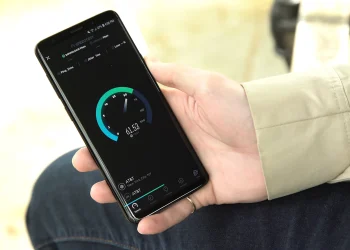
The Mobile eXperience Business posted KRW 29.3 trillion in Q4 revenue. It achieved double-digit annual profit for 2025 through flagship growth. However, Q4 smartphone sales declined as the launch effect of new models normalized. For Q1 2026, the business plans to strengthen its AI smartphone leadership. It will launch the Galaxy S26 series with Agentic AI experiences. The goal is sustained profitability via flagship sales and resource optimization amid global competitive uncertainties.
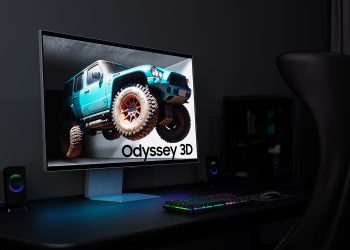
Samsung Display reported consolidated revenue of KRW 9.5 trillion and an operating profit of KRW 2.0 trillion. Small and medium displays saw solid performance from stable supply and increased smartphone demand. The large display business grew revenue by responding to year-end peak season demand. In Q1, SDC anticipates soft smartphone demand but aims to supply displays for new flagship launches. For large displays, it will respond to new QD-OLED product launches.
Consumer Electronics and Harman Focus on AI Integration
The Visual Display and Digital Appliances businesses posted KRW 14.8 trillion in Q4 revenue but an operating loss of KRW 0.6 trillion. The VD Business expanded revenue through robust sales of premium Neo QLED and OLED TVs. However, intense competition pressured profitability. In Q1, it will focus on new lineups like Micro RGB TVs and high-value-added products to improve profitability.
The Digital Appliances Business saw earnings decline due to low seasonal demand for air conditioners and shifting trade conditions. An improvement is anticipated in Q1 from AI product sales and seasonal recovery. For 2026, it will accelerate AI product sales and expand B2B and direct-to-consumer segments. Harman posted KRW 4.6 trillion in revenue and KRW 0.3 trillion in operating profit. Growth came from expanded automotive product supply and new audio model releases.
Strategic Outlook for the AI Era
Samsung’s record profit sets a high baseline for 2026. The company plans to build on its comprehensive AI leadership across all divisions. The DS Division will lead the AI era by expanding sales of AI-related DRAM and NAND offerings. The DX Division will integrate AI technologies across its full device and service ecosystem. It will maintain a focus on profitable growth and supply stability.
R&D investment hit a full-year record of KRW 37.7 trillion, with KRW 10.9 trillion spent in Q4 alone. This underscores the commitment to sustaining technological leadership. The overall 2026 strategy is clear: leverage the semiconductor upcycle, embed AI deeply into consumer devices, and optimize for profitability amid cost pressures. The historic Samsung record profit of Q4 2025 provides a strong foundation for this ambitious plan.